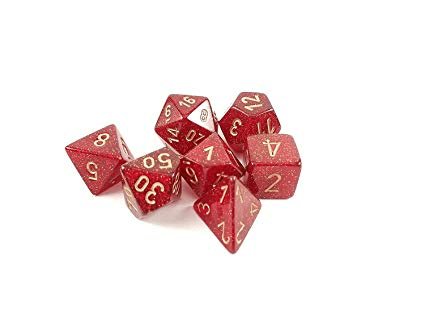
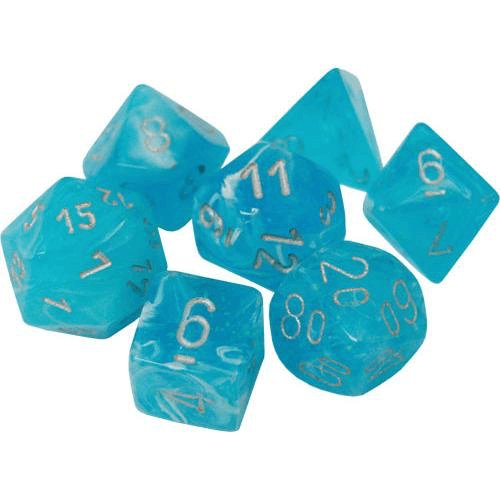
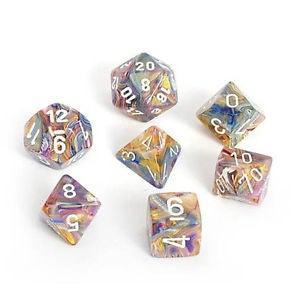
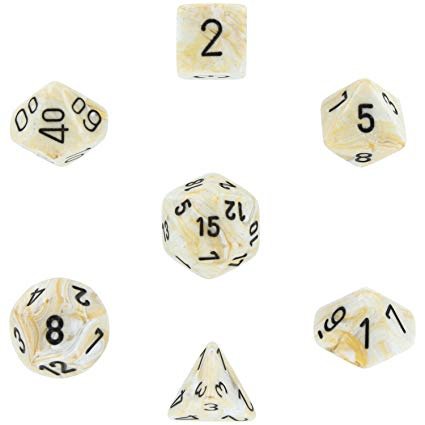
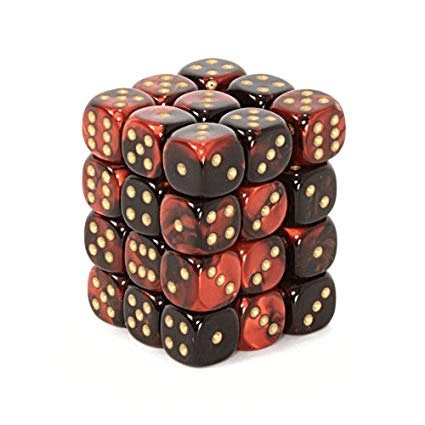
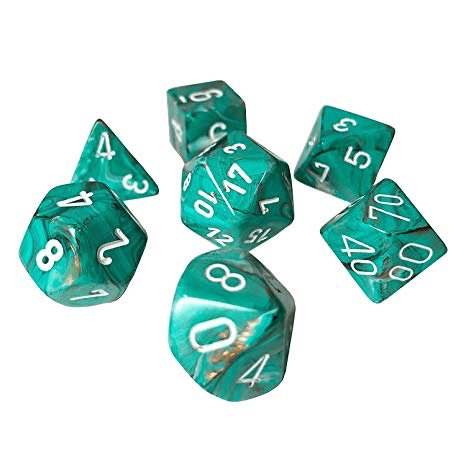
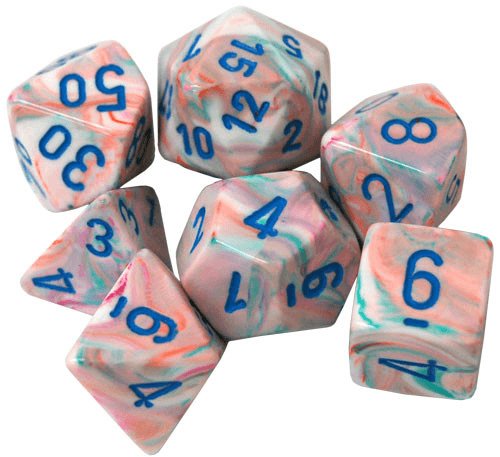
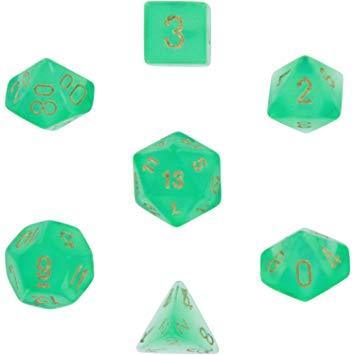
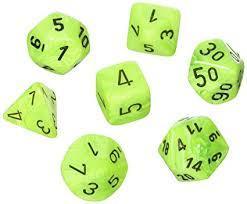
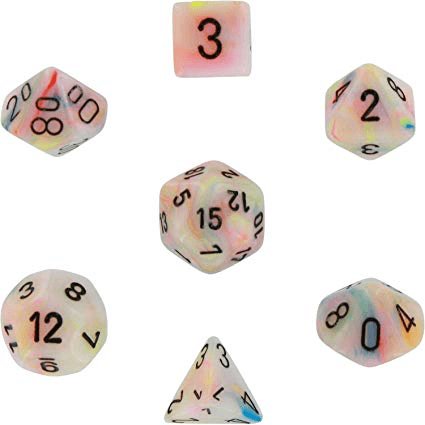
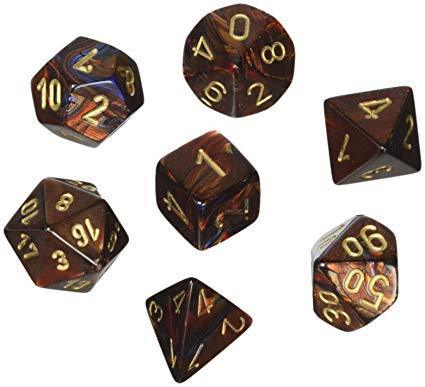
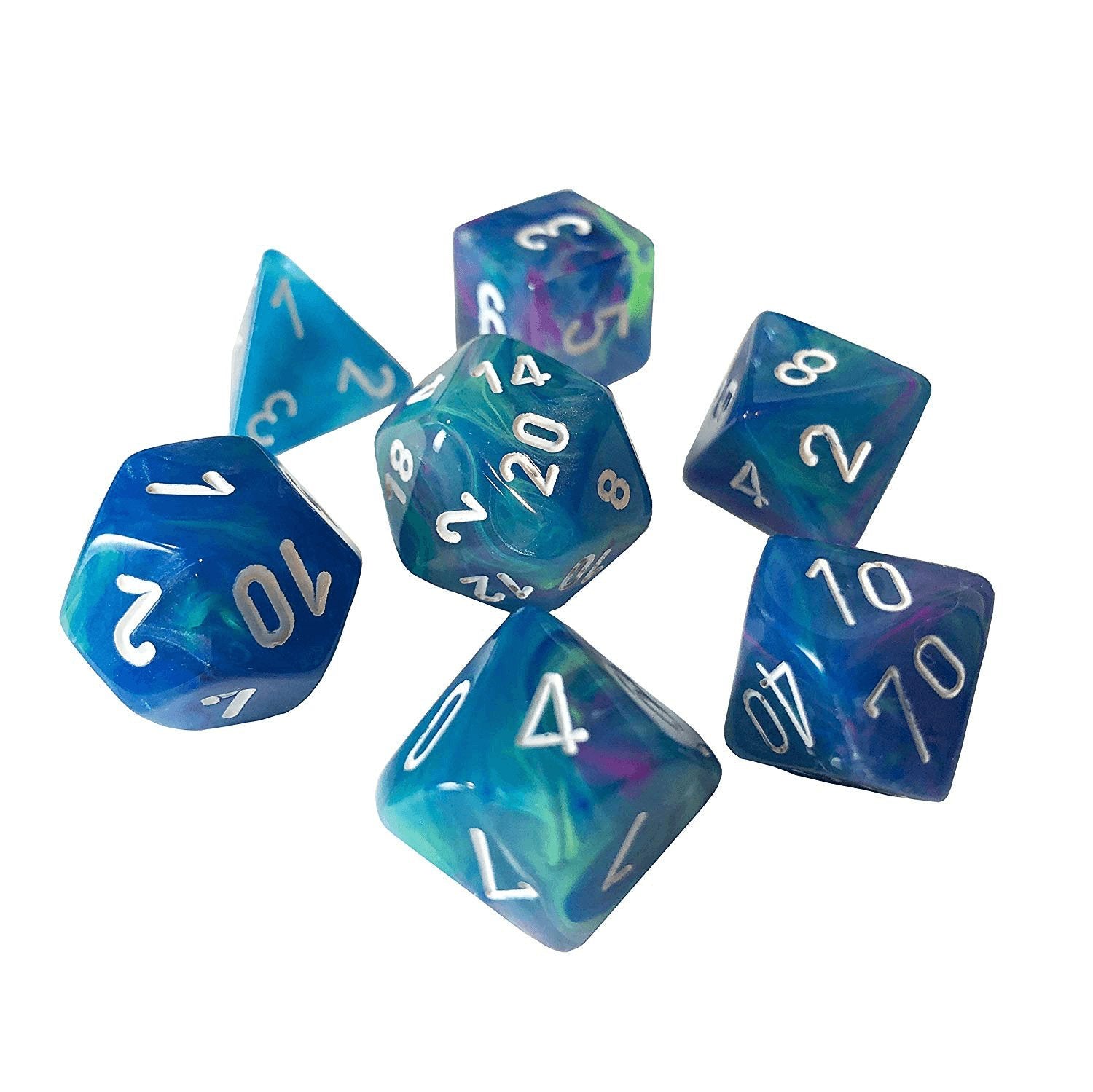
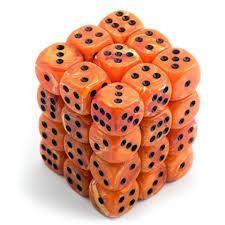
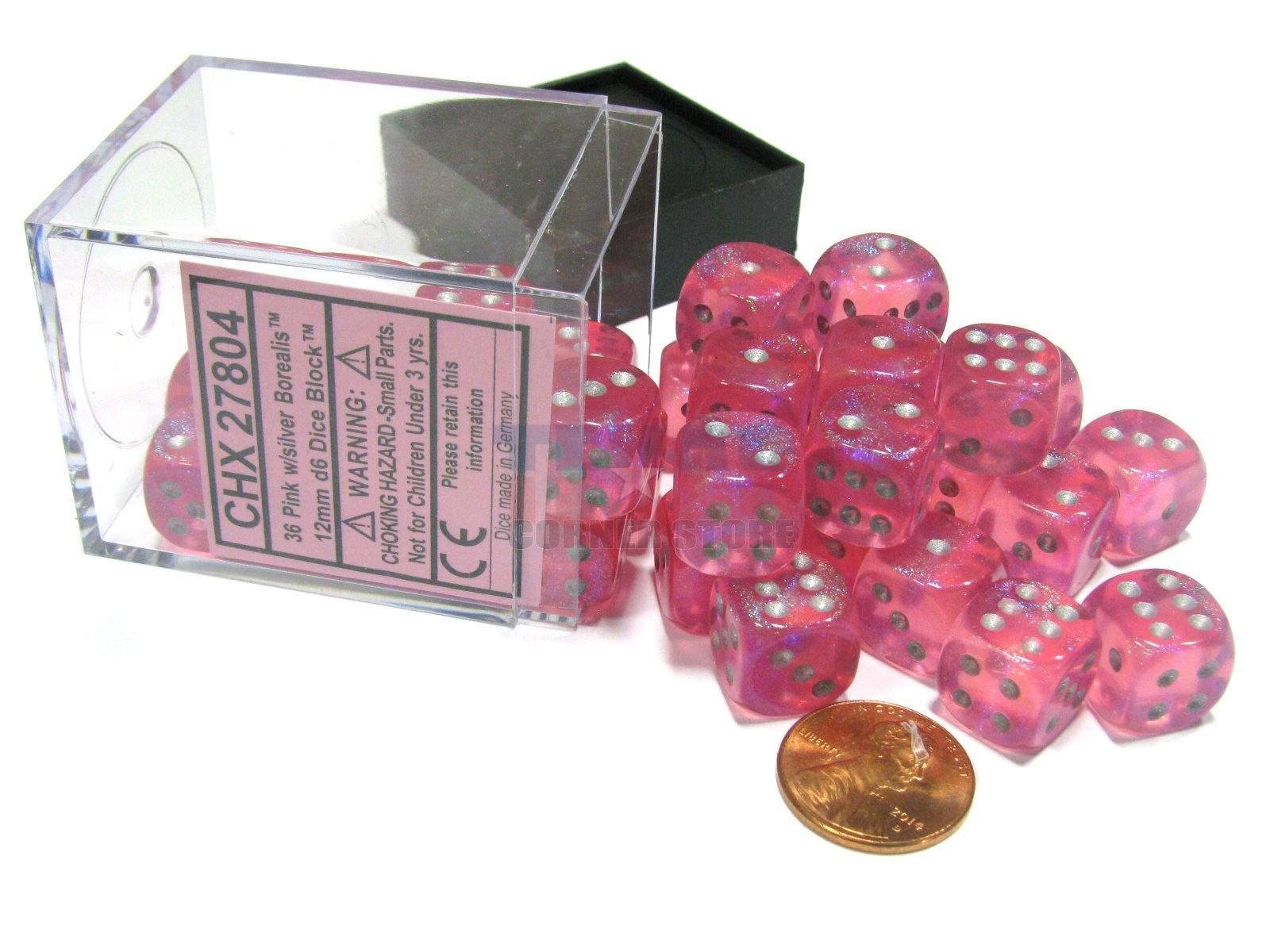
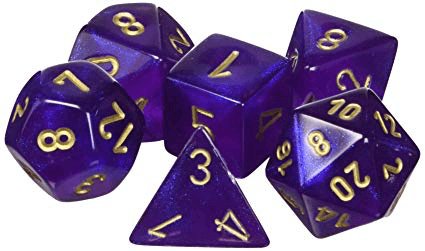
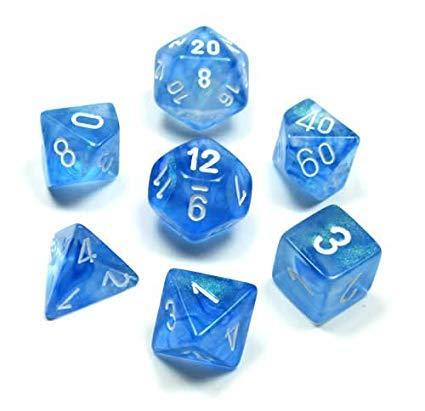
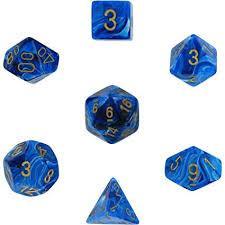
Dice are one of the simplest components in tabletop games, and somehow still one of the most exciting. There’s something deeply satisfying about picking them up, giving them a shake, and watching the results tumble across the table. No matter how strategic a game gets, dice always bring that little spark of uncertainty that keeps things interesting.
At their core, dice introduce randomness. They can represent chance, risk, and luck in a way that’s instantly understood, even by people who’ve never played a modern board game before. Roll high and you feel unstoppable. Roll low and suddenly you’re rethinking your entire plan. That tension is exactly why dice have survived centuries of gaming without going out of style.
Modern board games, though, have found clever ways to go beyond “roll and hope.” Dice can be drafted, modified, locked, rerolled, or even turned into resources. Games use custom dice with symbols instead of numbers, letting them tell stories, trigger abilities, or shape entire strategies. In many designs, the fun comes not from the roll itself, but from figuring out how to manage the outcome.
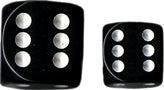
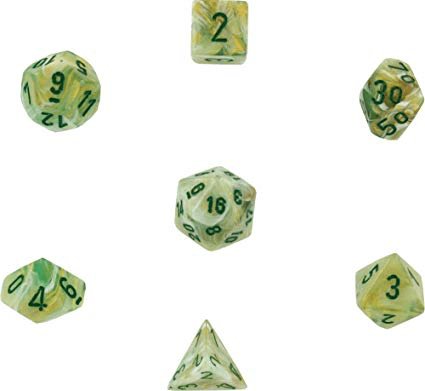
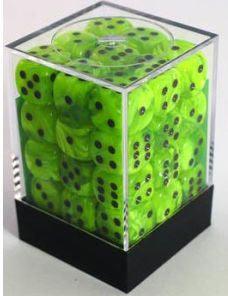
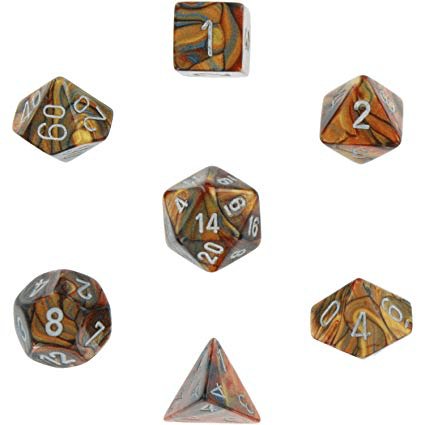
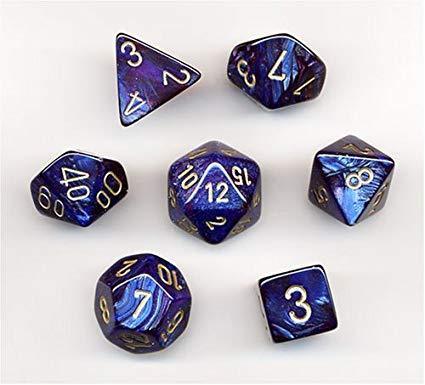
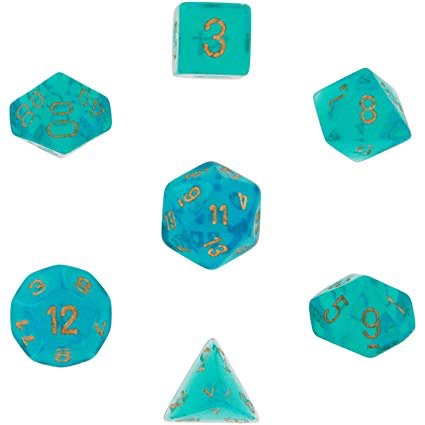
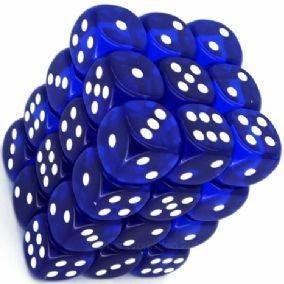
Dice also add a physical, tactile joy to the table. The sound, the weight, the colors—these small details matter more than we sometimes admit. They make games feel alive and interactive in a way cards or apps can’t quite replicate.
Whether they’re deciding combat, generating income, or simply injecting chaos at the perfect moment, dice remind us that games don’t have to be perfectly fair to be fun. Sometimes, the roll is the story.